Lincoln Electric ® acquires Inrotech A/S
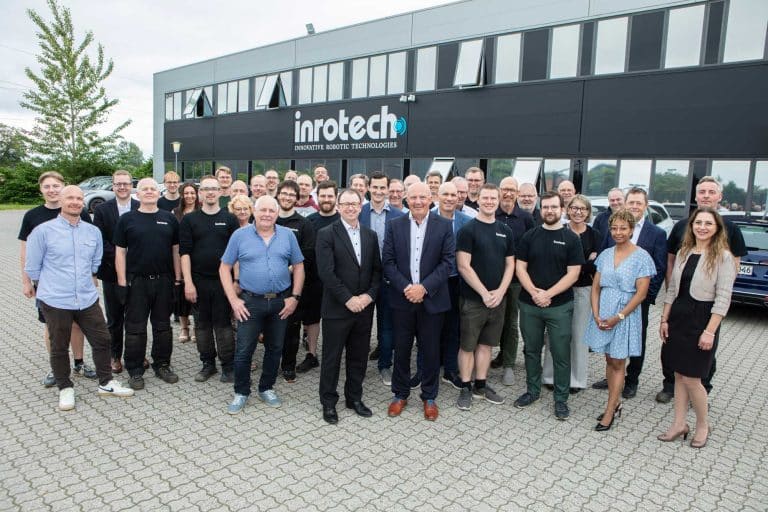
Vision-Based Adaptive Intelligence Software Extends Lincoln Electric’s Technology Platform -Lincoln Electric® is pleased to announce that it has acquired Inrotech A/S. Headquartered in Odense, Denmark,


Vision-Based Adaptive Intelligence Software Extends Lincoln Electric’s Technology Platform -Lincoln Electric® is pleased to announce that it has acquired Inrotech A/S. Headquartered in Odense, Denmark,
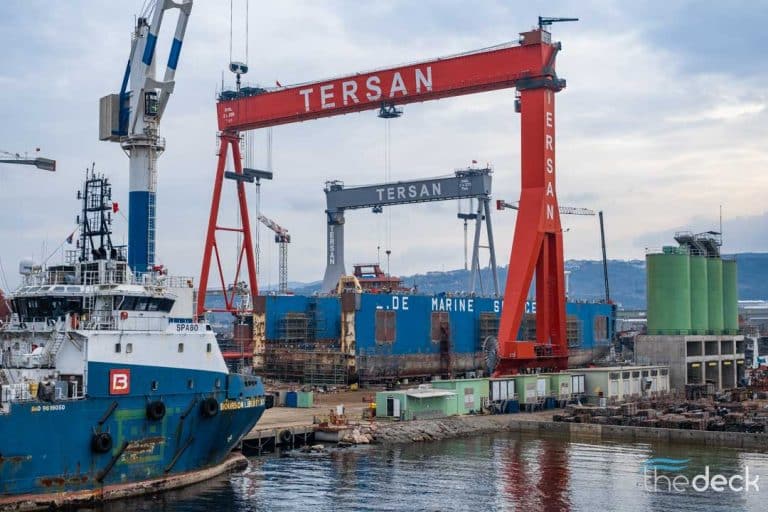
Inrotech has received an order from Tersan Shipyard, a diversified company with expertise in constructing LNG and battery-operated vessels, as well as various value-added niche
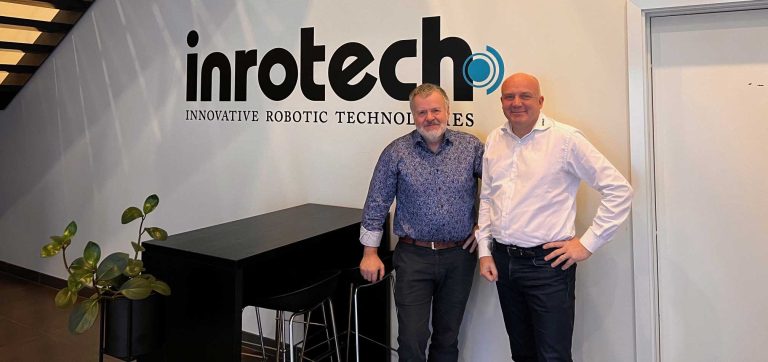
Inrotech welcomes Henrik Lenskjold as its new Chief Executive Officer. Henrik, who served as the Chief Operation Officer at Inrotech for six years, has been
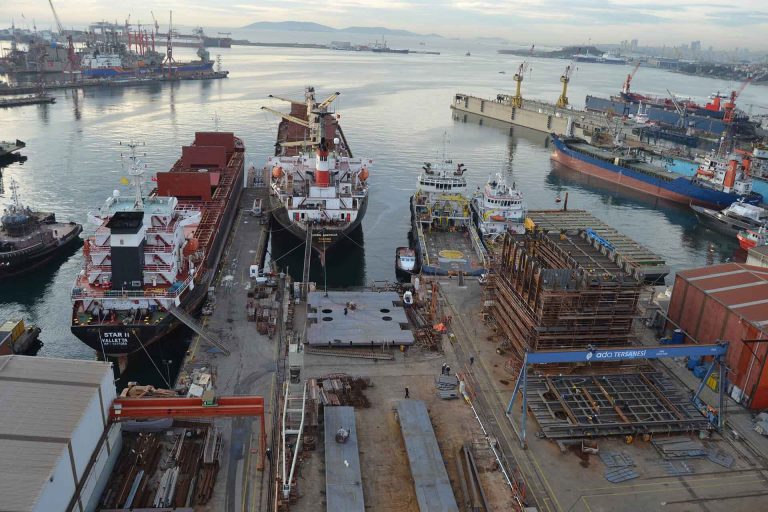
Welding robots originating from Denmark have gained substantial popularity within the Turkish shipbuilding industry for the welding of ship panels. Ada Shipyard, a prominent shipyard
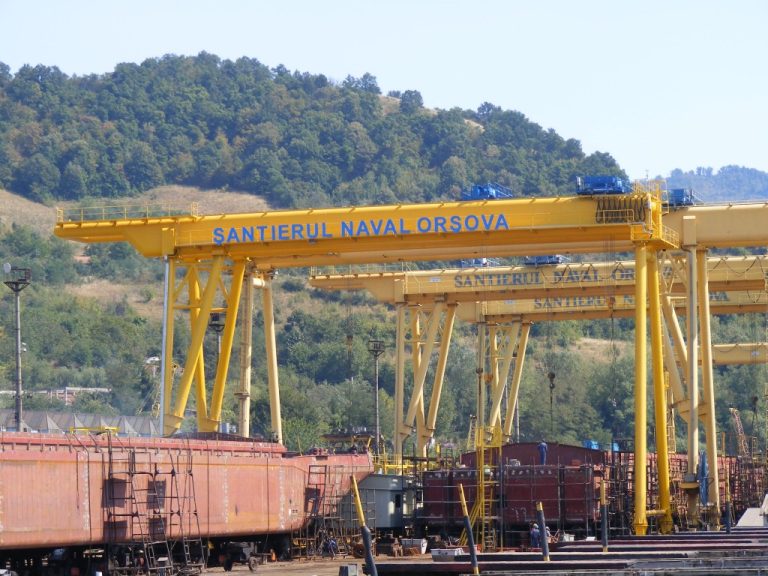
Inrotech has received an order from Santierul Naval Orsova Shipyard, a leading shipbuilder in Romania. The company invest in high quality welding automation as a

The growing need for skilled welders in offshore wind and shipyards worldwide has placed a huge demand for labor in these sectors. Numerous manufacturers experience
Choosing the right small welding robot can significantly impact your business. These machines are designed to enhance productivity and precision. However, with various options, selecting the best one is complex.
When assessing your needs, consider the specific tasks you require from a small welding robot. What materials will you be welding? Will you need it for consistent production or occasional use? Understanding these details is crucial for making an informed choice.
Don’t overlook the importance of size and workspace. A small welding robot should fit seamlessly into your existing setup. Each brand offers unique features, and some may not meet your expectations. Therefore, researching and comparing different models will help you find the most reliable option. Finding the perfect match might take time and effort, but it’s worth it for your operations.
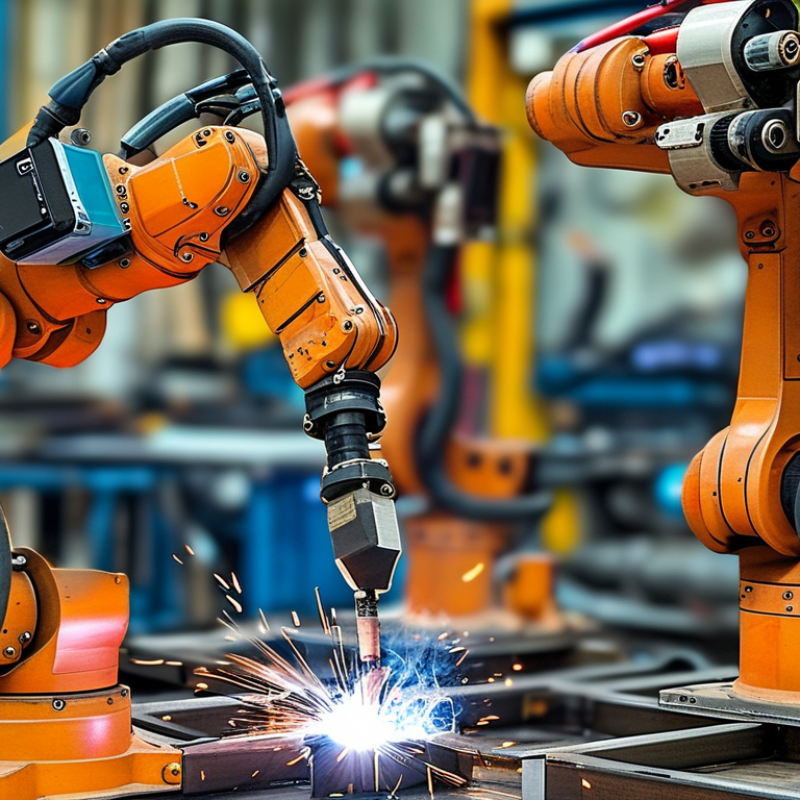
Choosing the right small welding robot starts with understanding your specific needs. Different welding applications require different approaches. For example, if you need precise spot welding for small parts, a robot with high accuracy is essential. On the other hand, if you are working with larger components, the speed of the robot may be more critical. Evaluating the materials you frequently use also plays a significant role in your decision-making process.
Assess the work environment and space limitations as well. A compact welding robot can save space in smaller workshops. However, take into account the robot's reach and flexibility. Some tasks may require quick repositioning, while others do not. Reflection on past projects can guide you. What challenges did you face? Did you wish for better efficiency or accuracy? These reflections can provide valuable insights into which features matter most to you.
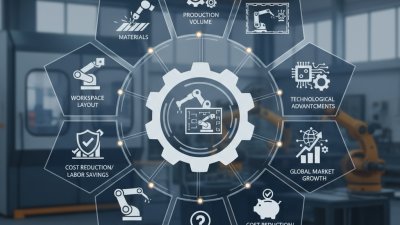
Choosing the right small welding robot involves understanding its key features. One critical aspect is precision. A report by the International Federation of Robotics (IFR) indicates that precision welding minimizes defects. Robots with high precision offer consistent welds, reducing material waste and rework costs.
Speed is another major consideration. According to industry benchmarks, faster welding robots can yield up to 30% more productivity. However, increased speed must not compromise quality. Many businesses overlook the importance of balance. Investing in speed without accuracy can lead to costly errors.
User-friendly programming interfaces have become essential. A survey found that 70% of small manufacturers prefer robots with intuitive controls. This reduces the learning curve and allows quicker adaptation in production environments. Yet, the customization options in programming may vary significantly between models. Selecting a robot that meets your specific application needs is crucial. It's crucial to evaluate your unique requirements carefully.
When choosing a small welding robot, understanding the different types is crucial. There are three common types: articulated robots, delta robots, and collaborative robots. Articulated robots typically offer high flexibility and a wide working range. They are excellent for complex welding tasks. Delta robots, on the other hand, excel in speed and precision. They are ideal for high-volume production settings. Collaborative robots, or cobots, enhance safety by working alongside humans, making them suitable for small workshops.
Tips: Consider your workspace layout before choosing a robot. If space is tight, a compact model may be more appropriate. Assess the type of materials you'll be welding as well. Each robot type has unique strengths for different materials. Lastly, think about your skill level. Some robots require advanced programming knowledge, while others are user-friendly.
Welding robots can sometimes underperform if not properly calibrated. It's vital to regularly maintain them to ensure consistent results. Also, take into account the learning curve; some users may find training necessary. Explore online communities for support and troubleshooting tips. Understanding the nuances of each robotic type can save time and resources in the long run.
When evaluating the budget for a small welding robot, several factors must be considered. The initial purchase price is crucial, but it doesn’t end there. Maintenance costs, energy consumption, and potential training expenses all add up over time. These factors can significantly influence your overall investment. It's important to ask yourself, how much will this robot save in labor costs? A thorough cost analysis can reveal potential long-term savings.
Additionally, consider the robot’s capabilities and features against your specific needs. A more advanced robot may come with a higher price tag but could offer better efficiency or versatility. Evaluate whether the extra features will be beneficial in the long run. You might need to compromise on certain functionalities to stay within budget. Reflect on your production goals and how a robot fits into that picture. Are the features justifiable for your output?
Also, remember that purchasing from a reliable supplier is essential. A reputable vendor often provides better support and warranty options. This can save you headaches later. Think critically about each aspect. The right decision should balance cost with performance and reliability. Investing wisely now can prevent costly mistakes in the future.
| Model | Price ($) | Payload Capacity (kg) | Reach (mm) | Features | Cost-Effectiveness Rating (1-10) |
|---|---|---|---|---|---|
| Model A | 2500 | 5 | 600 | Automatic Programming, Adjustable Arms | 8 |
| Model B | 3000 | 7 | 800 | Advanced Sensors, User-Friendly Interface | 7 |
| Model C | 1500 | 3 | 500 | Compact Design, Basic Functionality | 9 |
| Model D | 4000 | 10 | 900 | High Precision, Robust Build | 6 |
| Model E | 3500 | 8 | 700 | Flexible Programming, Remote Control | 7 |
Choosing the right small welding robot involves careful consideration of maintenance and support options. Effective maintenance is crucial for maximizing the robot's longevity and performance. According to a report by the International Federation of Robotics, poorly maintained machinery can experience productivity loss of up to 25%. Regular servicing, software updates, and timely replacements are integral to keeping automated systems running efficiently.
Moreover, support options are essential to address issues promptly. Manufacturers that offer comprehensive training and troubleshooting assistance tend to enhance user satisfaction. A survey from the Welding Equipment Manufacturers of America shows that 76% of users prefer vendors that provide robust post-purchase support. Having quick access to expert advice can minimize downtime, especially during crucial production hours.
It’s worth considering the availability of spare parts and technical support in your region. Some users find it challenging to get replacement parts quickly, leading to prolonged periods of inactivity. A significant number of businesses reported delays impacting their output. Investing time in researching these aspects can pay off significantly in the long term.