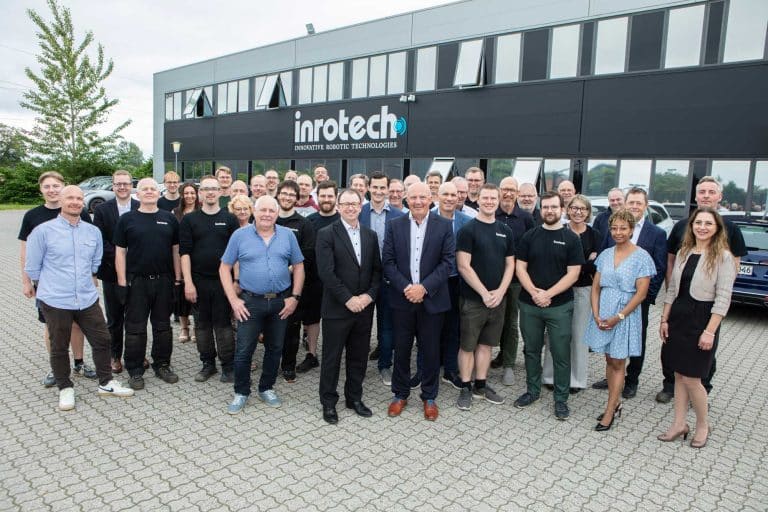
Lincoln Electric ® acquires Inrotech A/S
Vision-Based Adaptive Intelligence Software Extends Lincoln Electric’s Technology Platform -Lincoln Electric® is pleased to announce that it has acquired Inrotech A/S. Headquartered in Odense, Denmark,


Vision-Based Adaptive Intelligence Software Extends Lincoln Electric’s Technology Platform -Lincoln Electric® is pleased to announce that it has acquired Inrotech A/S. Headquartered in Odense, Denmark,
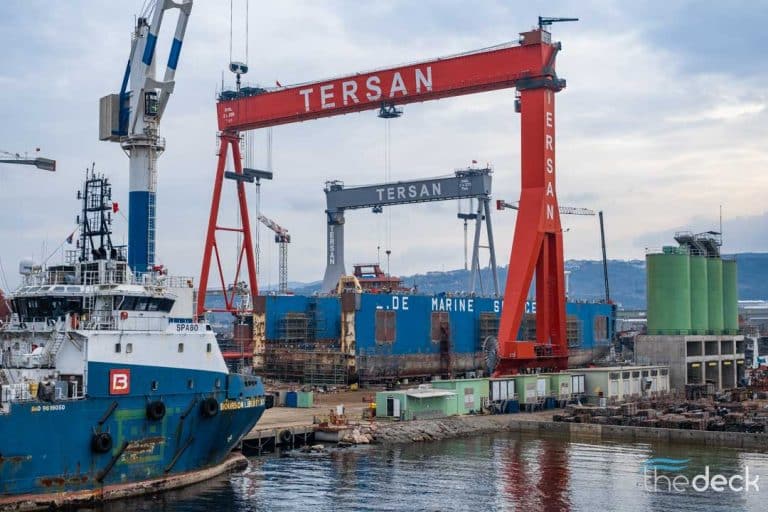
Inrotech has received an order from Tersan Shipyard, a diversified company with expertise in constructing LNG and battery-operated vessels, as well as various value-added niche

Inrotech welcomes Henrik Lenskjold as its new Chief Executive Officer. Henrik, who served as the Chief Operation Officer at Inrotech for six years, has been
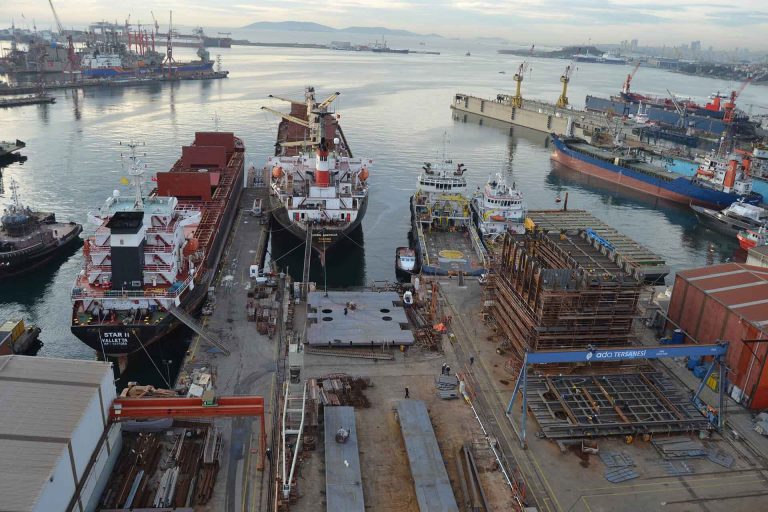
Welding robots originating from Denmark have gained substantial popularity within the Turkish shipbuilding industry for the welding of ship panels. Ada Shipyard, a prominent shipyard
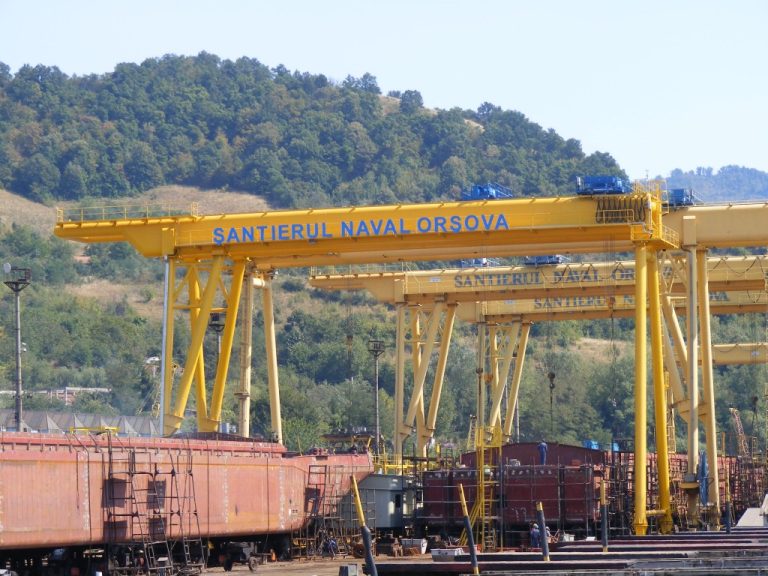
Inrotech has received an order from Santierul Naval Orsova Shipyard, a leading shipbuilder in Romania. The company invest in high quality welding automation as a

The growing need for skilled welders in offshore wind and shipyards worldwide has placed a huge demand for labor in these sectors. Numerous manufacturers experience
TIG robotic welding has revolutionized the manufacturing industry, bringing precision and speed to the forefront. This automated process minimizes human error and enhances weld quality. However, achieving success in TIG robotic welding requires more than just the right equipment.
Understanding the intricacies of this technology is crucial. Factors such as torch angle and travel speed significantly impact weld integrity. Each variable must be carefully considered to achieve optimal results. Many operators overlook these details, leading to inconsistent welds. This highlights the importance of thorough training and experience in this field.
Adopting best practices is essential for maintaining high standards in TIG robotic welding. Regularly evaluating settings and results can prevent recurring mistakes. With practice and reflection, operators can refine their skills. A commitment to continuous improvement can elevate the quality of work, making a significant impact in competitive industries.
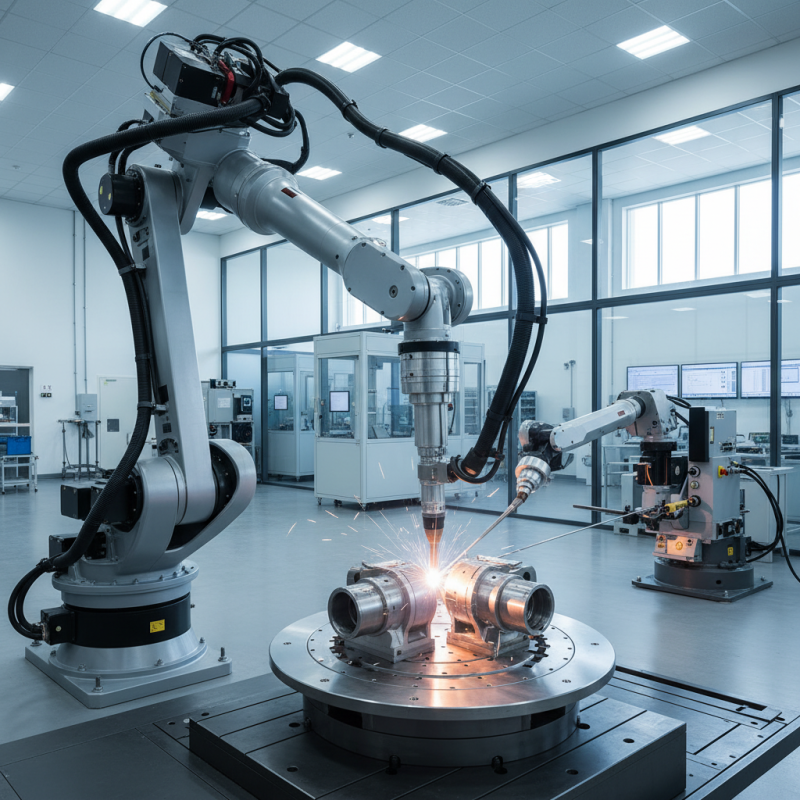
TIG robotic welding is a precise technique widely used in the manufacturing industry. Understanding its basics can significantly improve the quality of the welds. One key aspect is the control of heat input. Inadequate heat can lead to weak joints, while excessive heat can cause warping. According to a report by the American Welding Society, improper heat settings contribute to nearly 30% of welding defects.
Another fundamental technique involves the selection and handling of filler materials. The choice of filler can influence the strength and corrosion resistance of the weld. Many professionals forget to adjust the feed speed. This mistake often leads to poor fusion and increased rework. A study from the Welding Institute indicates that up to 25% of welding failures are linked to inadequate filler material management.
Robotic programming is equally crucial. Many operators overlook the importance of path optimization, which affects penetration and overall quality. Simulations can help visualize these paths, reducing errors. However, it's important to remember that programming requires continuous learning and improvement. The industry reports show that about 20% of welders encounter challenges when upgrading their skills. Emphasis on training can bridge this gap and enhance proficiency in TIG robotic welding.
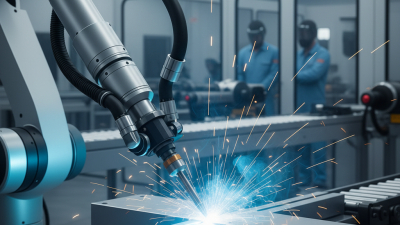
When it comes to TIG robotic welding, choosing the right equipment is crucial. The power source should match your welding requirements. Look for features such as adjustable AC/DC output and a high-frequency start. These can enhance your welding quality, but they also add to the complexity. Consider your skill level when selecting. An advanced machine may overwhelm beginners.
Another key piece of equipment is the welding torch. The right torch can improve your precision and control. Ensure that it is comfortable to hold for extended periods. This reduces fatigue, leading to better results. Pay attention to the nozzle size as well. Smaller nozzles allow for more control, but can be harder to manage. Striking the right balance is essential.
Don’t overlook safety gear. Quality gloves and helmets are non-negotiable. They protect you from intense heat and harmful UV rays. It’s easy to underestimate these factors, but they’re vital for long-term health. Make a checklist of everything you need before starting your project. This will help you avoid missing critical equipment, ensuring a smoother welding process.
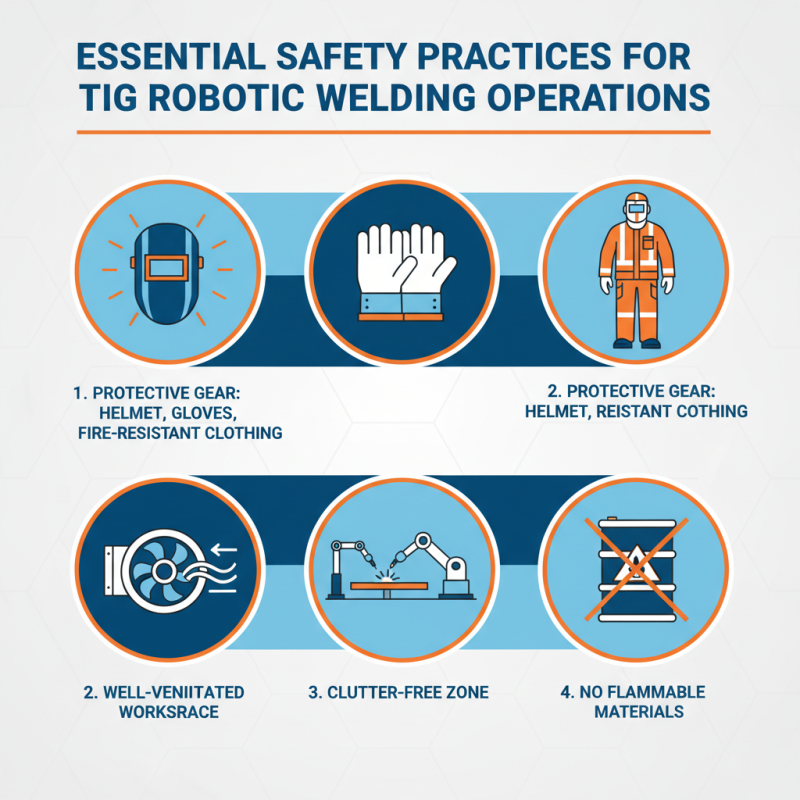
Safety is paramount in TIG robotic welding operations. Always wear protective gear. This includes welding helmets with appropriate shade, gloves, and fire-resistant clothing. These items protect against sparks and radiation. A well-ventilated workspace reduces the risk of inhaling harmful fumes. Ensure your welding area is free from clutter. This minimizes the chance of accidents. Evaluate the environment for any flammable materials nearby.
Prior to starting, conduct a thorough inspection. Check all equipment, including the robotic arm and electrodes. Ensure that the gas supply is secure and leak-free. Understanding the welding parameters is crucial. Set the correct voltage and current for your materials. Regular training for operators helps maintain a high safety standard. Consider documenting near misses to improve future practices. Welding is a precise process, and overlooking small details can lead to significant hazards. Reflect on past experiences to enhance safety protocols continually.
TIG robotic welding offers precision and efficiency, yet it comes with challenges. One common issue is the difficulty of maintaining the correct arc length. The arc may fluctuate, resulting in inconsistent welds. To address this, regular calibration of the robotic system is essential. Ensure the welding torch remains steady, allowing for more controlled movement and improved consistency.
Another challenge is the sensitivity of the materials being welded. Thin metals can warp easily under heat. To mitigate this, utilize proper backing bars to support the pieces. Adjusting the welding speed can also help control heat input, minimizing warpage and enhancing weld quality.
Operator training plays a crucial role in overcoming these challenges. While modern robots can handle many tasks, human oversight ensures adaptability. Operators should understand common errors, such as incorrect feed rates or improper positioning. They must be prepared to troubleshoot in real-time, improving the overall efficiency of the TIG welding process. Emphasizing skill development within the team can lead to remarkable improvements.
Maintaining TIG welding robots is essential for their longevity and optimal performance. Regular maintenance can increase the lifespan of these machines by up to 30%, according to research from the American Welding Society. This underscores the importance of routine inspections, which help identify wear and tear before it leads to major failures.
Finding the right balance in lubrication is critical. Too much can cause debris build-up, while too little may lead to friction damage. It's advisable to consult maintenance schedules based on the manufacturer's guidelines. Keeping air filters clean is also crucial; clogged filters can reduce airflow and lead to overheating. A study showed that 45% of weld defects are linked to poor equipment maintenance.
Additionally, investing in training for personnel can result in significant efficiency improvements. Operators must understand troubleshooting techniques and proper handling of the equipment. This reduces the likelihood of operator error and enhances overall safety. Remember, even small oversights, like using the wrong shielding gas or incorrect settings, can lead to costly repairs or production downtime. Proper technologies could offer predictive analytics for maintenance, but human oversight remains essential.